

Svitlana Povalyaeva is a Ukrainian writer and a member of PEN Ukraine. She is the author of seven prose books, a poetry collection, and a children's book, and has participated in numerous literary festivals. She is also a journalist and a civic activist who took part in the Revolution on Granite, the Orange Revolution, and the Revolution of Dignity.
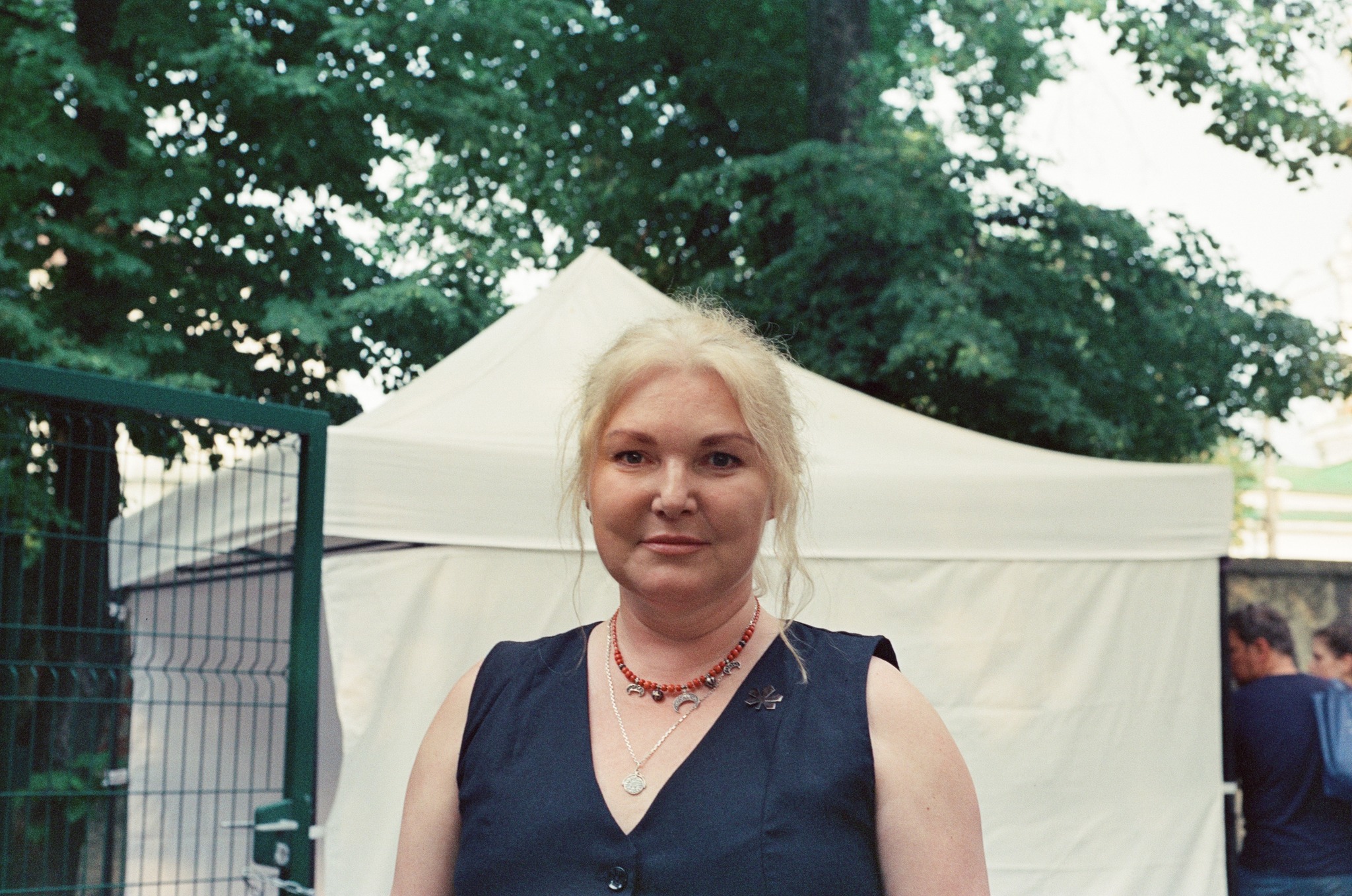
Since the beginning of Russia's full-scale invasion of Ukraine, Povalyaeva has been traveling on volunteer missions to the frontline and deoccupied regions as part of the Unbreakable Libraries initiative, while also engaging in cultural diplomacy abroad. After the death of her younger son, Roman Ratushnyi, in the war, she has continued his work by defending Protasiiv Yar, a Kyiv green space threatened by development.
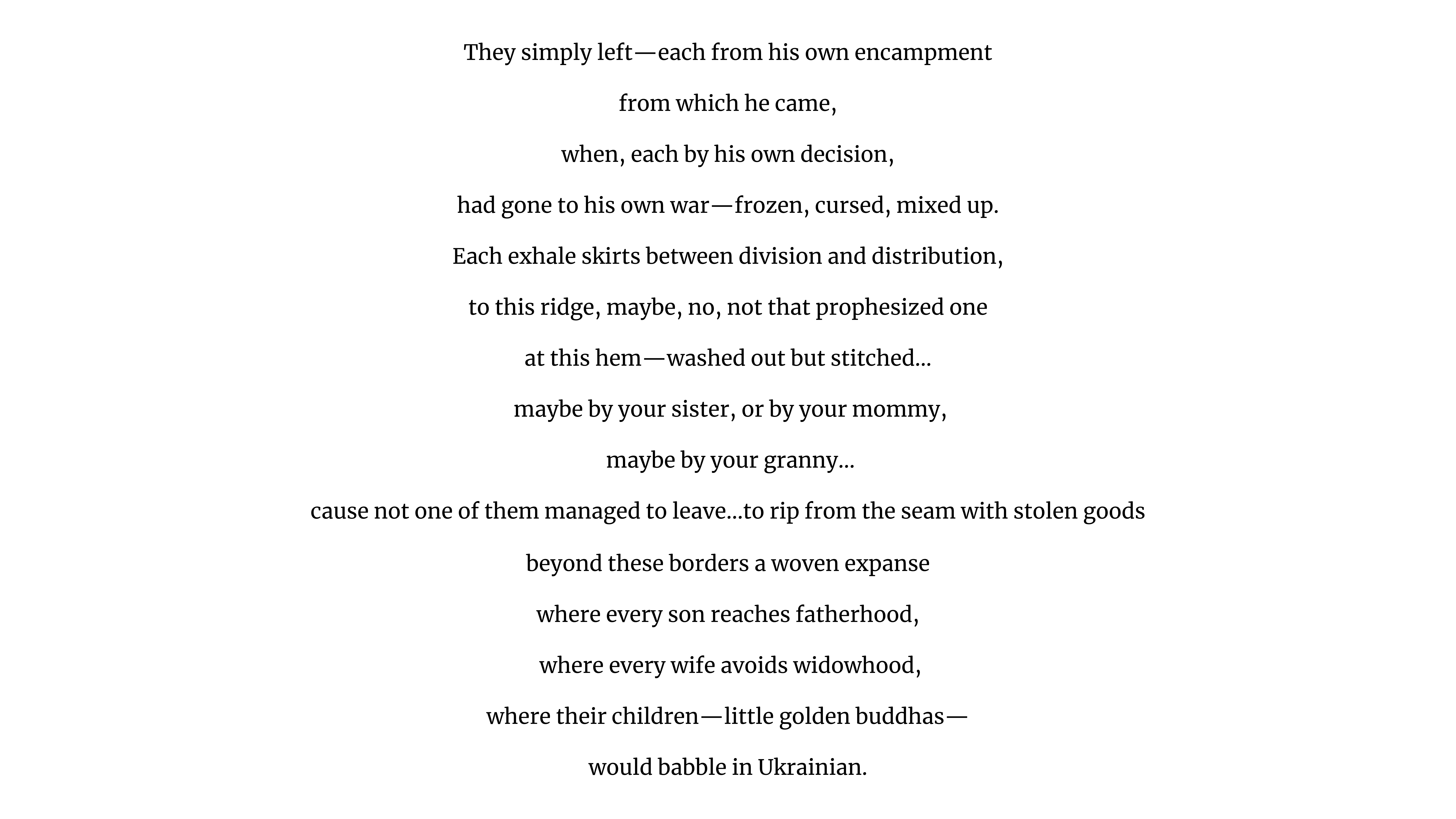
Povalyaeva's poetry is raw, candid, and uncompromisingly truthful. As she has said herself, poetry is her way of communicating with the world — direct yet deeply emotional, echoing the voices and experiences of Ukrainian mothers waiting for their loved ones.
In this interview, we discuss different forms of civic engagement through the example of her sons, Roman and Vasyl Ratushnyi, who volunteered for the Ukrainian army, and were killed while carrying a combat mission; the community's long-standing resistance to protect Protasiv Yar; the state of Ukrainian civil society; and how memory is transformed into action.
Protasiv Yar is a green area in Kyiv, home to rare plant species listed in Ukraine's Red Data Book and to protected bird species. For many years, the local community has been fighting to preserve the area from illegal development, arguing that its ecological value and role as a shared public space outweigh private commercial interests.
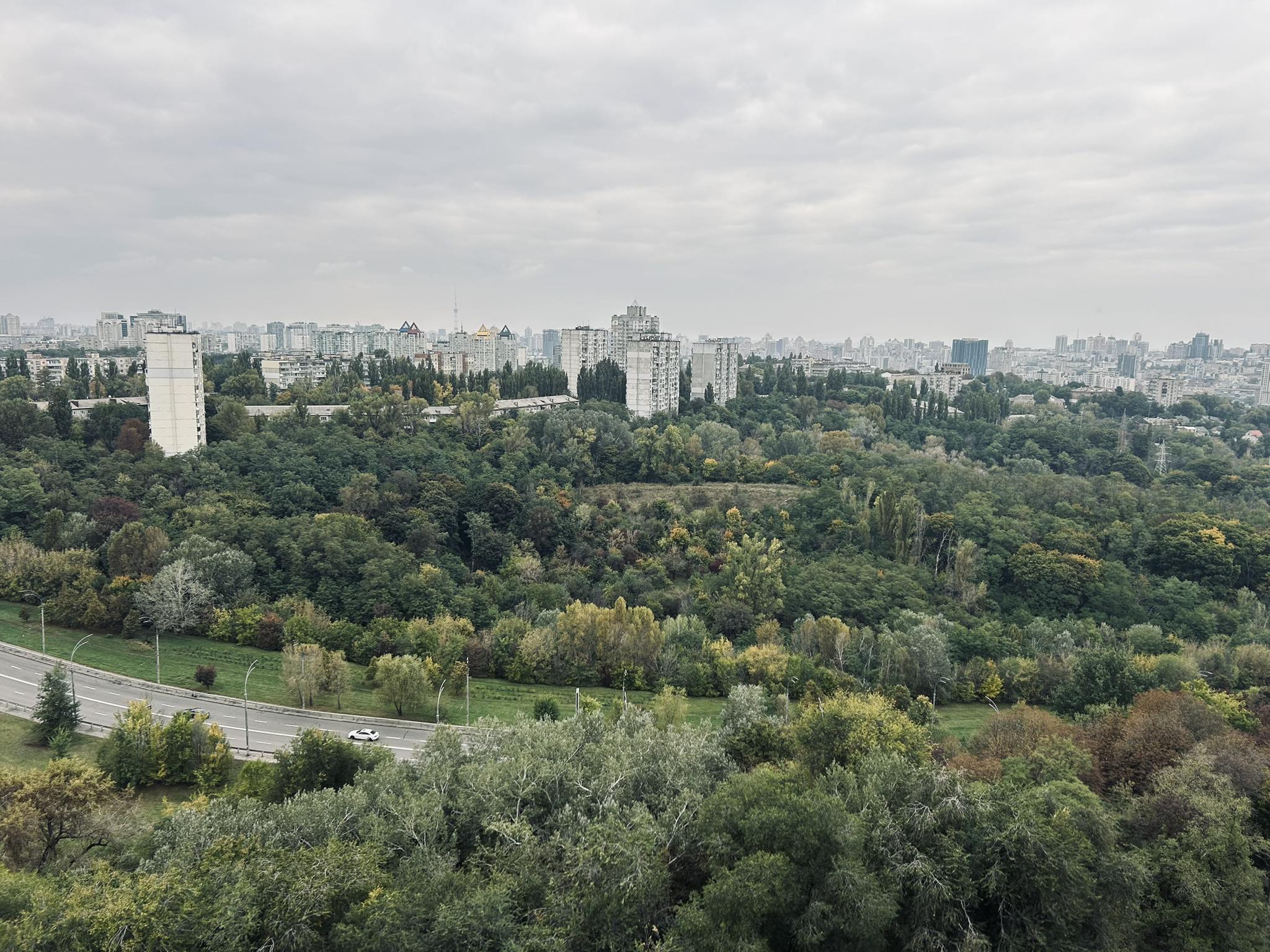
"Protasiv Yar covers roughly 40 hectares of forest right in the city center. It is an ancient natural area, with Baikove Cemetery — one of the oldest in Kyiv — and the Amosov Clinic located at its highest point. If large-scale residential construction had gone ahead on the slopes, these sites would have been at risk of landslides," Svitlana tells UkraineWorld.
At a certain point, the mission to lead the defense of Protasiv Yar was taken on by Roman Ratushnyi, Svitlana's son — a civic activist, a participant in the Revolution of Dignity, and later a volunteer soldier.
In 2019, Roman founded the civic initiative Save Protasiv Yar. He organized film screenings, navigated exhausting bureaucratic procedures, mediated conflicts within the community, and continued his work despite serious risks, as he received direct threats from developers.
Russia's full-scale invasion of Ukraine forced many people to shift the focus of their everyday work. On the very first day of the invasion, Roman Ratushnyi volunteered to join the Territorial Defense Forces. Soon after, he was defending Ukraine as part of a reconnaissance platoon of the 2nd Motorized Infantry Battalion of the 93rd Separate Mechanized Brigade of the Armed Forces of Ukraine, known as Kholodnyi Yar. Roman was killed in action near Izium on June 9, 2022. He was 24.

Roman was an absolutely extraordinary leader. So many people rallied around him that his death came as a shock to everyone.
"Never be afraid of anything" was one of Roman's guiding principles. After his death, the cause to which he had devoted himself was carried on and expanded by fellow activists. In 2022, the Kyiv City Council granted parts of Protasiv Yar the status of a landscape reserve of local significance — the first concrete step toward its lasting protection. The struggle, however, is ongoing: court hearings continue as developers attempt to challenge the decision by the Kyiv City State Administration.
In late spring 2023, the first Protasiv Yar Festival, dedicated to Roman Ratushnyi's memory, was held. This year, the festival's civic organization was officially registered.
"The Protasiv Yar civic organization is not made up solely of local residents. Formally, many of its members are not part of our neighborhood community, but they are strong cultural managers, opinion leaders, and creative professionals whose work and life's calling lie in cultural initiatives. A community is not always made up of people who are deeply engaged in cultural processes," Svitlana explains.
"These are people who know how to mobilize effectively and, for instance, attend court hearings on a regular basis. Court proceedings are a long game. This kind of marathon requires a special kind of stamina and a stable, cohesive community that is able to show up again and again — despite hearings being constantly canceled or postponed. It also means taking to the streets in protest, monitoring ongoing processes, and tracking legislative initiatives that may either hinder or support us. In short, our community has a strong legal and cultural core."
"Our festival functions as a cultural and informational shield. It is not only educational and entertaining in nature; it also serves to protect Protasiv Yar after Roman's death. He began with open-air film screenings in the clearing, worked on promotion, and, naturally, had the Russians not killed him, he would have gone on to realize the festival as well."
Roman often said that memory is action. Festivals are a vivid form of continuity: they go beyond memorialization or remembrance.
"For Roman, communication and trust were paramount. People need to meet, learn to trust one another, and build communication strong enough to create things together. This principle scales from a small local community to the entire country. Unfortunately, Roman was not always surrounded by people capable of that level of mutual communication. He constantly had to step in — to mediate, reconcile, and moderate conflicts. It was incredibly draining. It is very painful for me to recall. Still, we ultimately arrived at the foundations Roman laid. Our festival is about creativity, not competition. We work as a single organism toward a shared idea that stands above individual stories."
This summer, the festival took place for the third time. As in previous years, it unfolded across two locations: the Protasiv Yar clearing and the Institute of Bioenergy Crops and Sugar Beet. Over three days, the program brought together educational and human rights discussions, guided walks, music, theater, and literature.
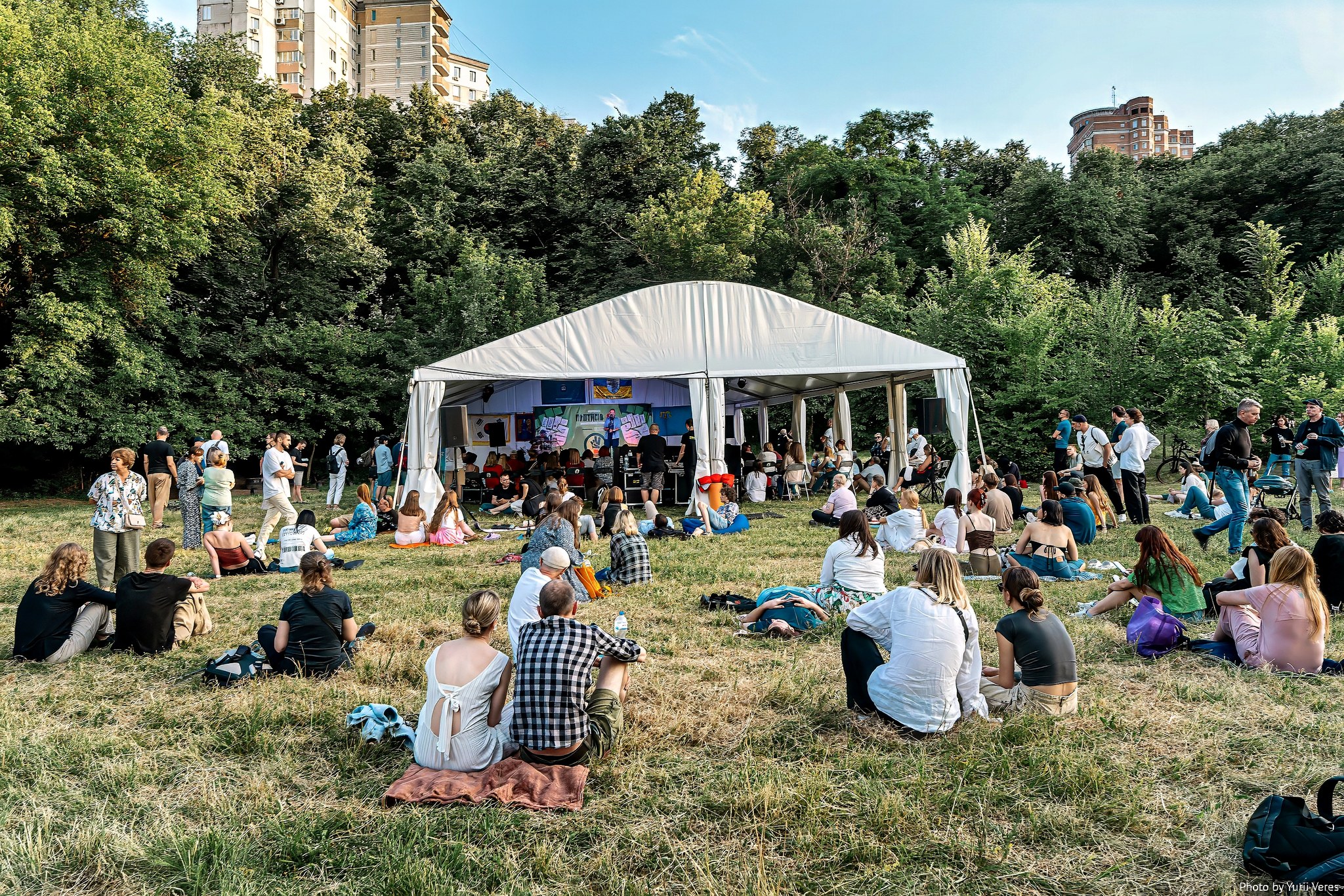
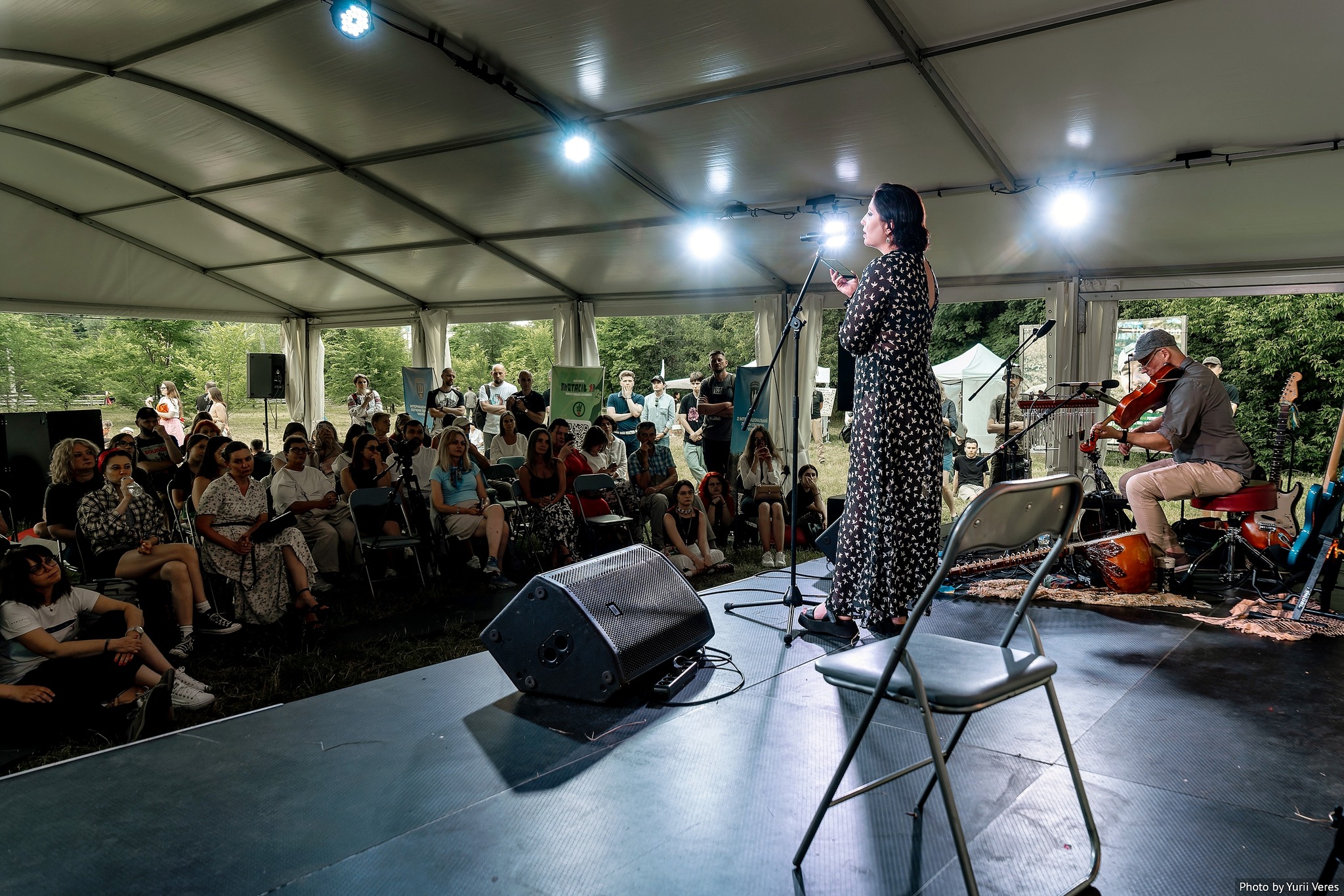

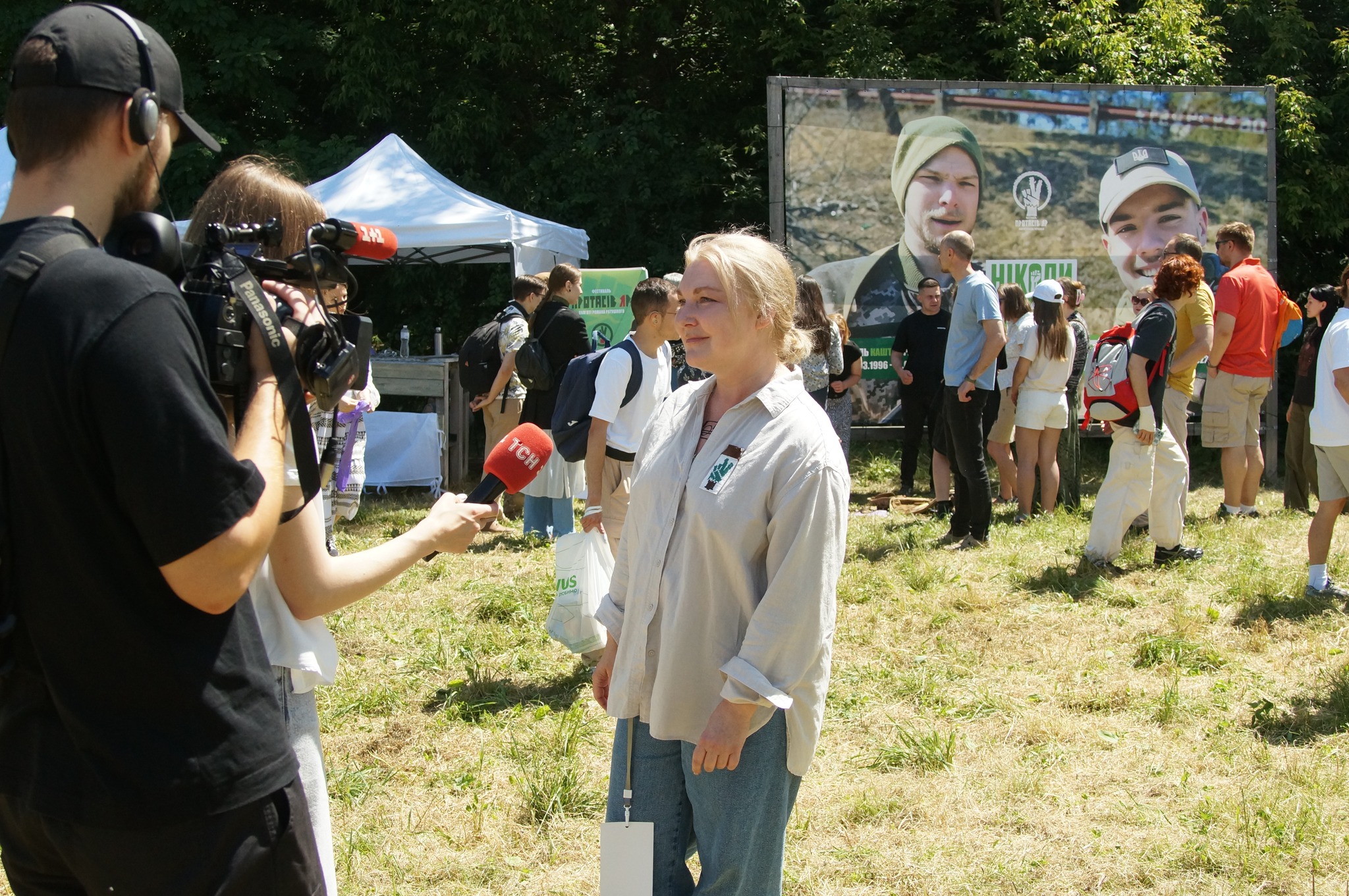
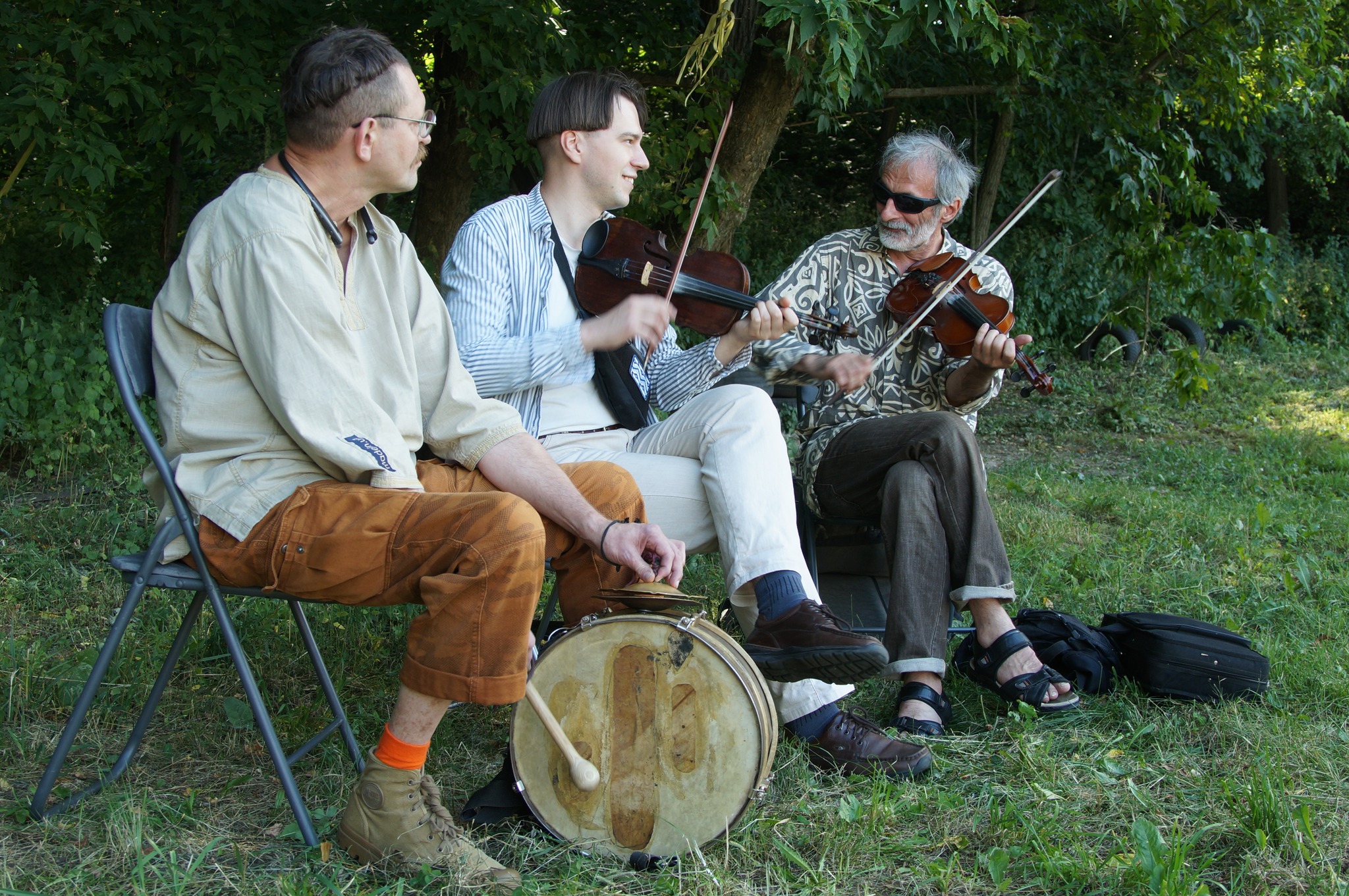
"The festival as a cultural initiative is run by people who know how — and want — to do this kind of work. At the same time, it exists with the community, for the community, and about the community. Its impact extends far beyond Kyiv. Our sphere of presence is expanding: people now travel from other cities to attend the festival, and when they return home, they continue similar initiatives in their own communities."
"We are very open to partnerships of all kinds, and we are also planning to launch a Patreon for the festival soon, giving supporters a simple way to contribute."
This year's festival was dedicated not only to the memory of Roman, but also to his older brother Vasyl Ratushnyi, who was killed while carrying out a combat mission on February 27, 2025.
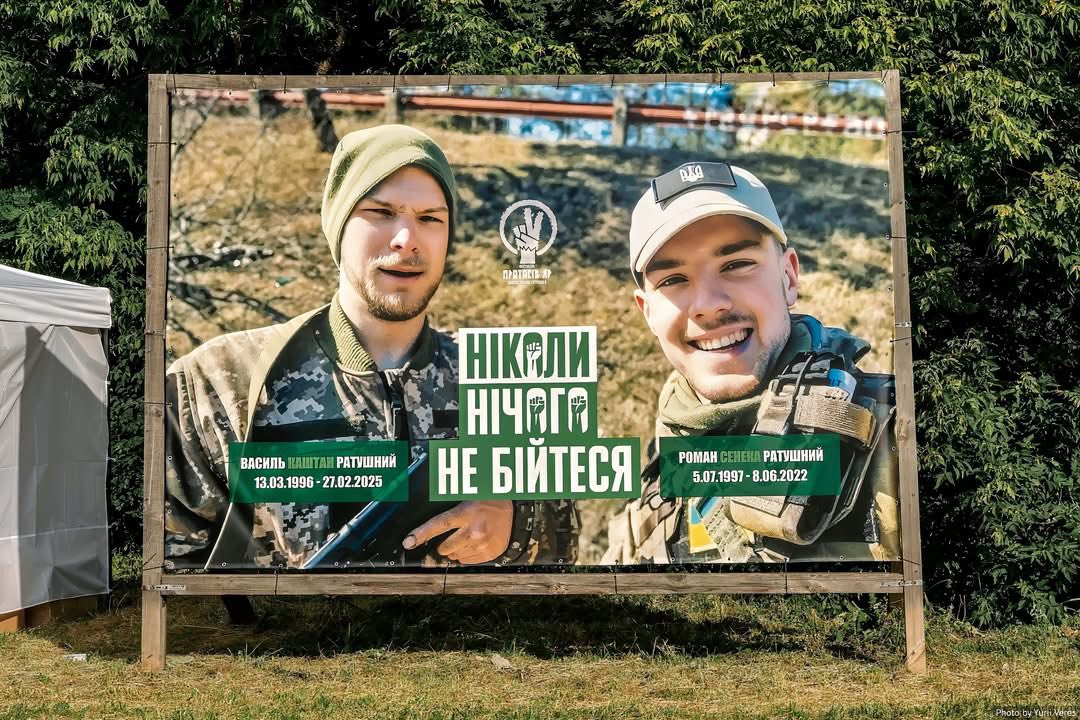
Vasyl Ratushnyi, call sign "Kashtan," was also a participant in the Revolution of Dignity. In 2015, while still a minor, he joined the military.
"Vasyl was someone almost impossible to unsettle. I would call him a 'shadow activist' — a person who does a great deal without drawing attention to himself. He was constantly in motion, including within football fan circles. At the time, some fan communities were also involved in environmental activism. During the Revolution of Dignity, they not only found themselves in the most intense flashpoints of confrontation, but also left political graffiti across the city — something that was extremely risky back then. They carried out a great deal of dangerous work that far from every activist would have dared to take on."
In the winter of 2015, at the age of 17, Vasyl went to war, and from then on he was there continuously, with only brief breaks. Military life interested him more than anything else in this world. He was a warrior.
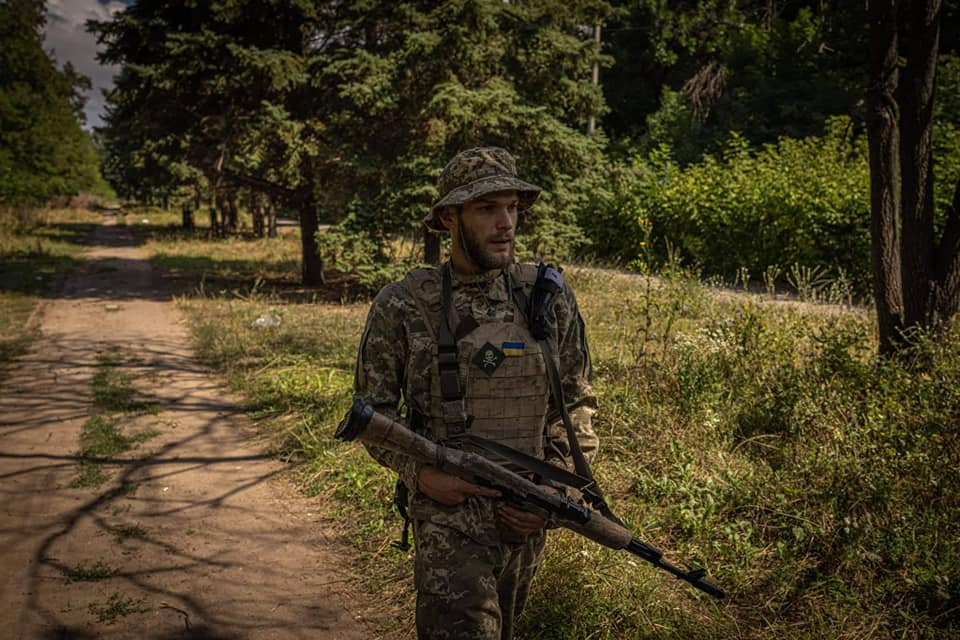
"Above all, I associate Vasyl with a unique sense of dark humor unlike anything I have encountered elsewhere. He had a rare ability to joke very quietly and calmly, with a completely serious expression. Even his brothers-in-arms from the Madyar's Birds unit did not always understand whether he was teasing them or not. He knew and could do so much, and could have realized himself outside the war, but he devoted all of his effectiveness to the front."
"In my view, Ukraine has an excellent civil society. I believe that if every country had a civil society like ours today, states would face far fewer internal and external problems. If civil society existed in Russia — which, in essence, sounds like an oxymoron — its leadership clearly would not have been able to so easily attack another country: people would have taken to the streets in mass protests."
"In Ukraine, I see no problem with civil society. Of course, only a certain, relatively small percentage of people are actively engaged, but in my opinion, we have already crossed the threshold of a critical mass. We have a formed and sustainable civil society — perhaps even more active than in many developed democratic countries."
"Within minutes, a spontaneous Cardboard Maidan formed to prevent the dismantling of Ukraine's National Anti-Corruption Bureau (NABU) and the Specialized Anti-Corruption Prosecutor's Office (SAPO). So what claims can possibly be made against our civil society? It responds everywhere — at the front, in culture, and in politics."
The article is produced by UkraineWorld with the support of the Askold and Dir Fund as a part of the Strong Civil Society of Ukraine - a Driver towards Reforms and Democracy project, implemented by ISAR Ednannia, funded by Norway and Sweden. The contents of this publication are the sole responsibility of UkraineWorld and can in no way be taken to reflect the views the Government of Norway, the Government of Sweden and ISAR Ednannia.


